We acknowledge the Traditional Owners of the lands across Australia on which these native botanicals have been used as food, medicine and trade for tens of thousands of years, and pay our respects to Elders past and present.
Australian native botanical flavours are aroma and taste ingredients sourced from indigenous Australian plants such as lemon myrtle, finger lime, wattleseed, pepperberry and Davidson plum, and they matter to food and beverage makers in Australia and New Zealand because they offer locally grown, regionally distinctive profiles that align with growing consumer interest in provenance, clean-label positioning and heritage ingredients. The sector is small, roughly A$50 million in farm-gate value according to AgriFutures Australia, but it is the closest thing to a genuinely Australian flavour vocabulary that exists.
Lemon myrtle, Australia's flagship native flavour
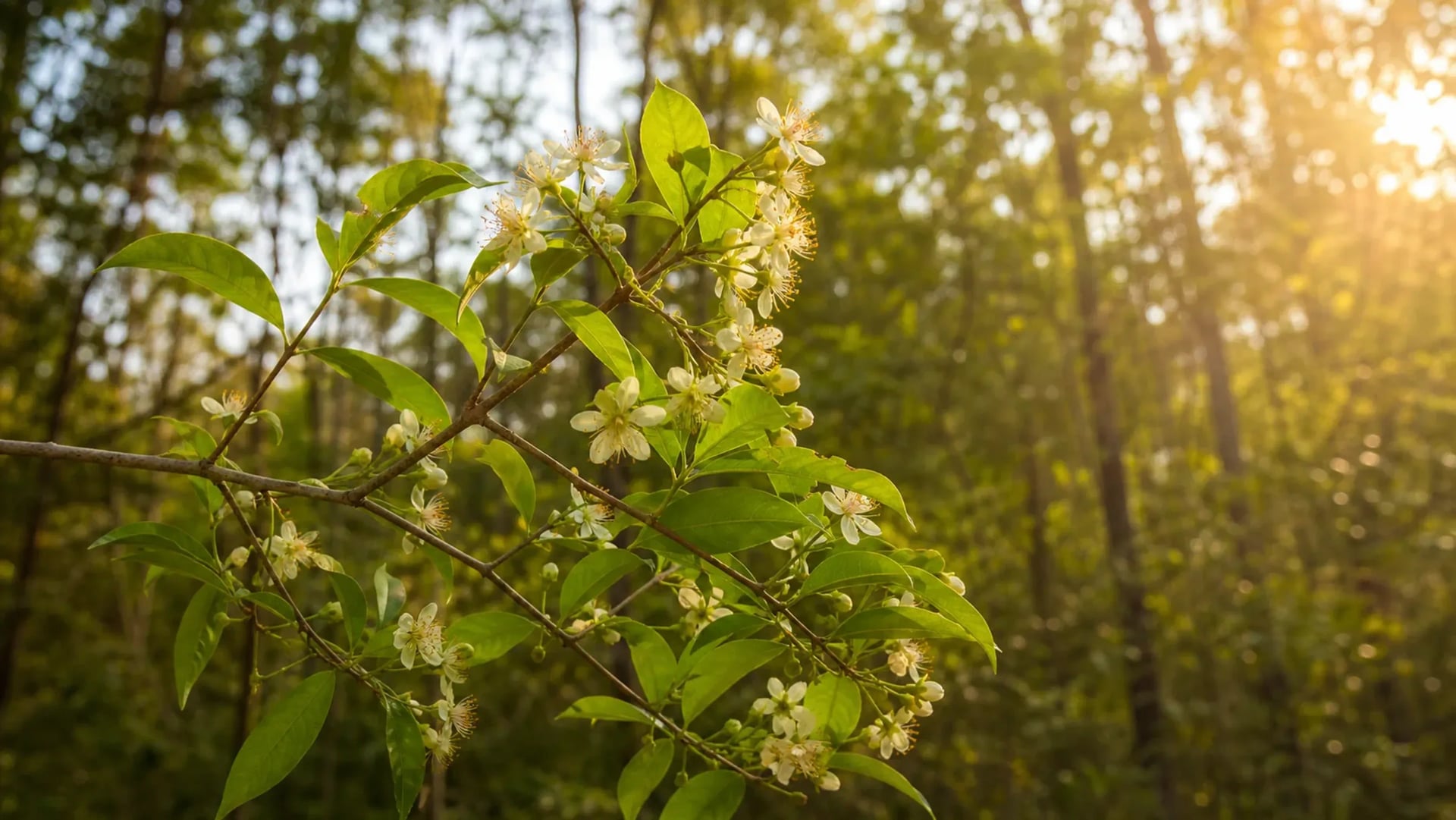
Lemon myrtle (Backhousia citriodora) is the most commercially mature of the group and the one most likely to appear in an industrial brief. The leaf is exceptionally high in citral, the citrus-aldehyde that gives lemon its character, and is widely cited as one of the highest natural concentrations of citral in any plant material, which is why it is used both as a flavour ingredient in its own right and as a natural source of citral for other flavour applications. Australian Native Products, based in northern New South Wales, is the largest commercial cultivator and processor and supplies dried leaf, essential oil and extracts into food, beverage, tea and personal care channels. Practical applications include beverage and tea bases, dairy and ice cream, baked goods and confectionery, where lemon myrtle gives a cleaner, rounder citrus note than lemon zest and holds up better through heat.
Finger lime, wattleseed, pepperberry, Davidson plum
Finger lime (Citrus australasica) is the second mature ingredient, sometimes called citrus caviar for the small juice vesicles inside the fruit. Plantings have grown quickly in northern New South Wales and southern Queensland, and AgriFutures Australia tracked farm-gate value rising from around A$600,000 to roughly A$3.1 million across the period to 2020 on production of about 100 tonnes a year. The profile sits between lime, yuzu and grapefruit and reads cleaner than ordinary lime, which is why it has moved into premium beverages, sauces and confectionery. Wattleseed, the roasted ground seed of selected acacia species, carries coffee, hazelnut and cocoa notes and is used in baked goods, ice creams, beverages and savoury rubs as a roasted-grain alternative. Pepperberry (Tasmannia lanceolata), sometimes called mountain pepper, delivers a slow, building heat from the active polygodial alongside a fruity top note, and is used at low inclusion in seasonings, sauces, smallgoods and chocolate. Davidson plum (Davidsonia spp.) is a tart, dark fruit with a sharp acid backbone that suits sauces, syrups, jams and confectionery where a high-impact, naturally coloured tartness is wanted.
Across the Tasman: native NZ flavour ingredients
Across the Tasman there are New Zealand parallels worth knowing for any developer briefing into the trans-Tasman market. Horopito (Pseudowintera colorata) and kawakawa (Piper excelsum) both deliver peppery, aromatic profiles, with horopito sharper and more pungent and kawakawa softer and slightly bitter, and both are used in seasonings, sauces and beverages where a botanical-pepper note is wanted. One careful point of language: manuka, in a flavour context, is a honey story rather than a flavour-ingredient story; the plant is mostly known through manuka honey rather than as a leaf or extract used as a flavouring substance, and it is worth keeping that distinction clear when a brief lands.
Responsible sourcing and Indigenous knowledge
Working with native botanical ingredients responsibly means engaging with the cultural and legal frameworks that sit underneath the supply chain. These ingredients rest on Aboriginal and Torres Strait Islander knowledge built over tens of thousands of years, and the sector now has formal structures, the First Nations Bushfood and Botanical Alliance Australia (FNBBAA) and the Australian Native Food and Botanicals (ANFAB) industry body, working alongside the Nagoya Protocol on access and benefit-sharing for genetic resources and associated traditional knowledge. The widely cited estimate that fewer than two per cent of native-food producers are Indigenous, and we mark this as an estimate, sits behind much of the current benefit-sharing conversation. The commercial reason this matters is straightforward as well as ethical: a developer briefing a native-botanical product for retail in Australia or for export should be able to explain who the producer is, where the material comes from, and how benefit-sharing has been considered, because retailers, certifiers and informed consumers increasingly ask. Building those relationships into the supply chain early is the difference between a credible native-ingredient story and a decorative one.
How VKA Australia thinks about native flavour ingredients
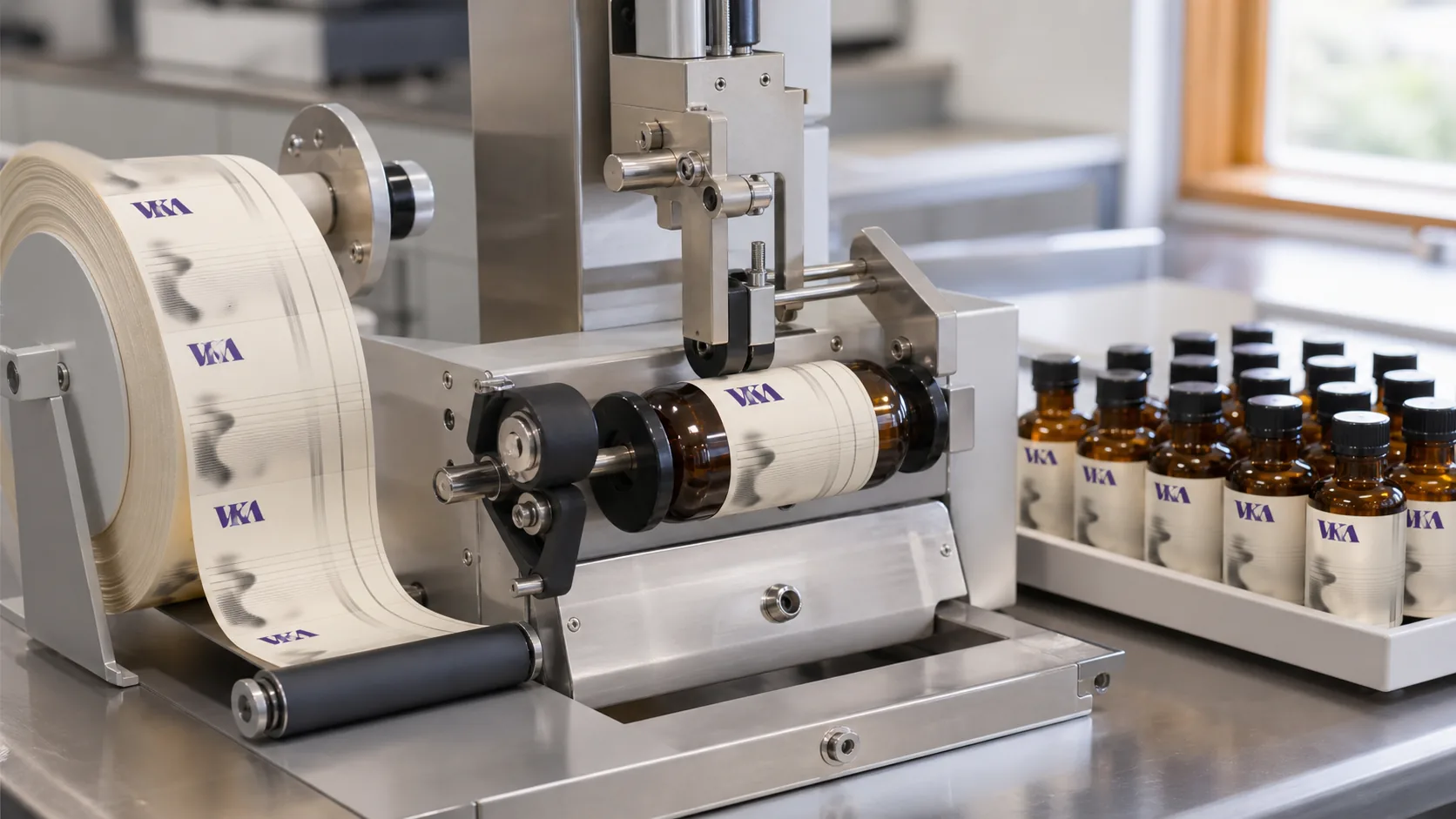
VKA® Australia is an Australian flavour house based in Southport, Queensland, and native botanical ingredients are part of how we have conversations with food and beverage makers across Australia and New Zealand rather than a fixed product line on a shelf. The right answer in any given brief depends on the matrix, the processing, the shelf life and the label position, and for native ingredients it also depends on the sourcing relationships behind the material. If you have a brief where lemon myrtle, finger lime, wattleseed, pepperberry, Davidson plum or any of their NZ relatives is on the table, talk to a flavourist directly and bring a sample of the base so the conversation can sit in the real product from the start.
Sources
- AgriFutures Australia - Australian Native Food Industry Stocktake
- Australian Native Products - lemon myrtle cultivation and processing
- Australia New Zealand Food Standards Code - Standard 1.2.4 (Information requirements - statement of ingredients)
- Australian Native Food and Botanicals (ANFAB) - industry body for native food and botanical producers
- Convention on Biological Diversity - Nagoya Protocol on access and benefit-sharing